
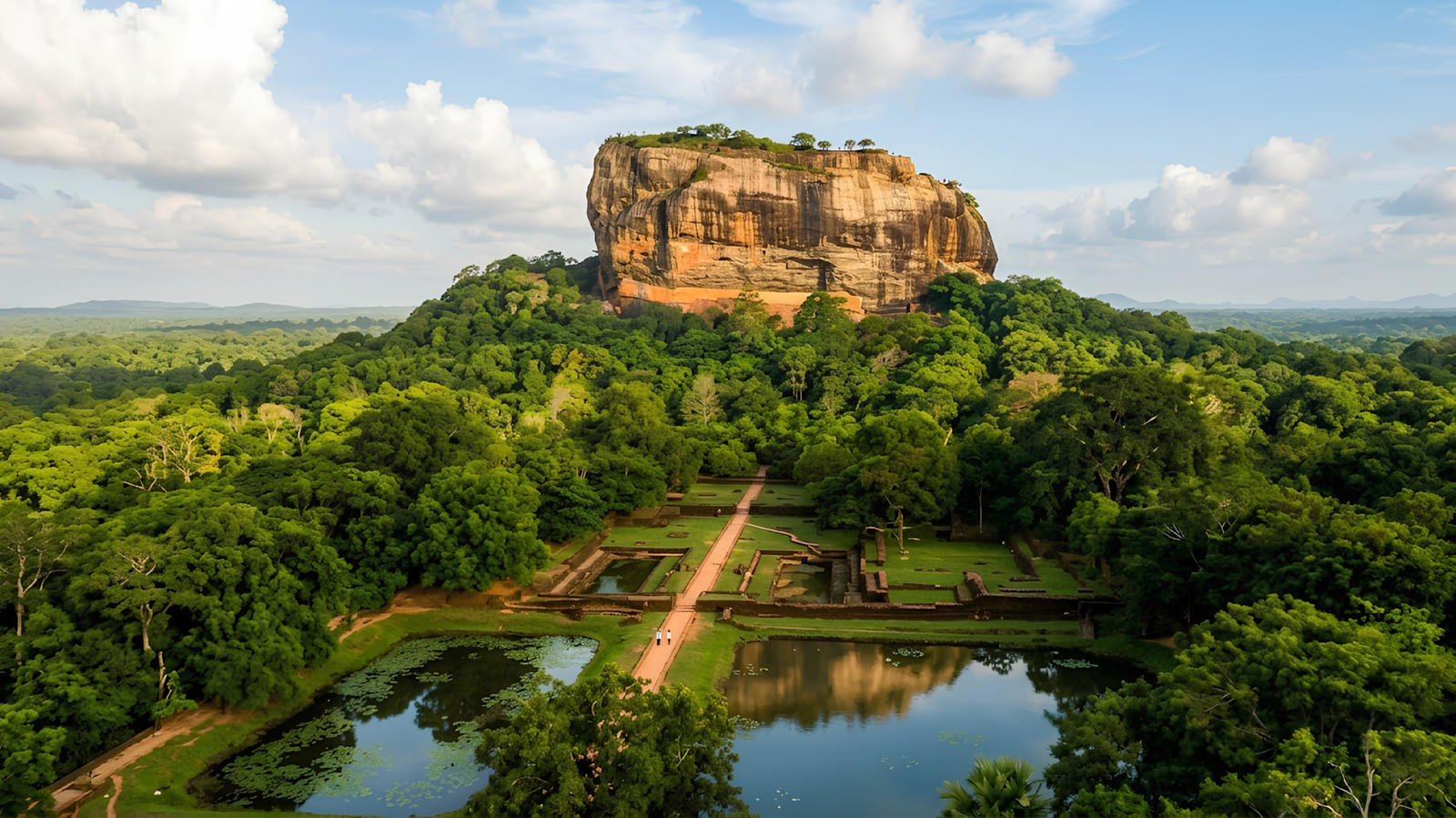
Rising nearly 200 meters above the flat jungle plains of central Sri Lanka, Sigiriya Rock is one of the most spectacular ancient sites in Asia and a UNESCO World Heritage Site. Known as the “Lion Rock,” this massive stone monolith once held a royal palace, elaborate gardens, and frescoes that are still admired today, more than 1,500 years later.
This guide covers the history, what to expect on your climb, the best time to visit, and practical tips for exploring Sigiriya, whether you’re a local traveler or visiting Sri Lanka for the first time.
What Is Sigiriya Rock?
Sigiriya is an ancient rock fortress built in the 5th century AD by King Kashyapa, who chose the massive rock as the site for his royal palace. The complex includes:
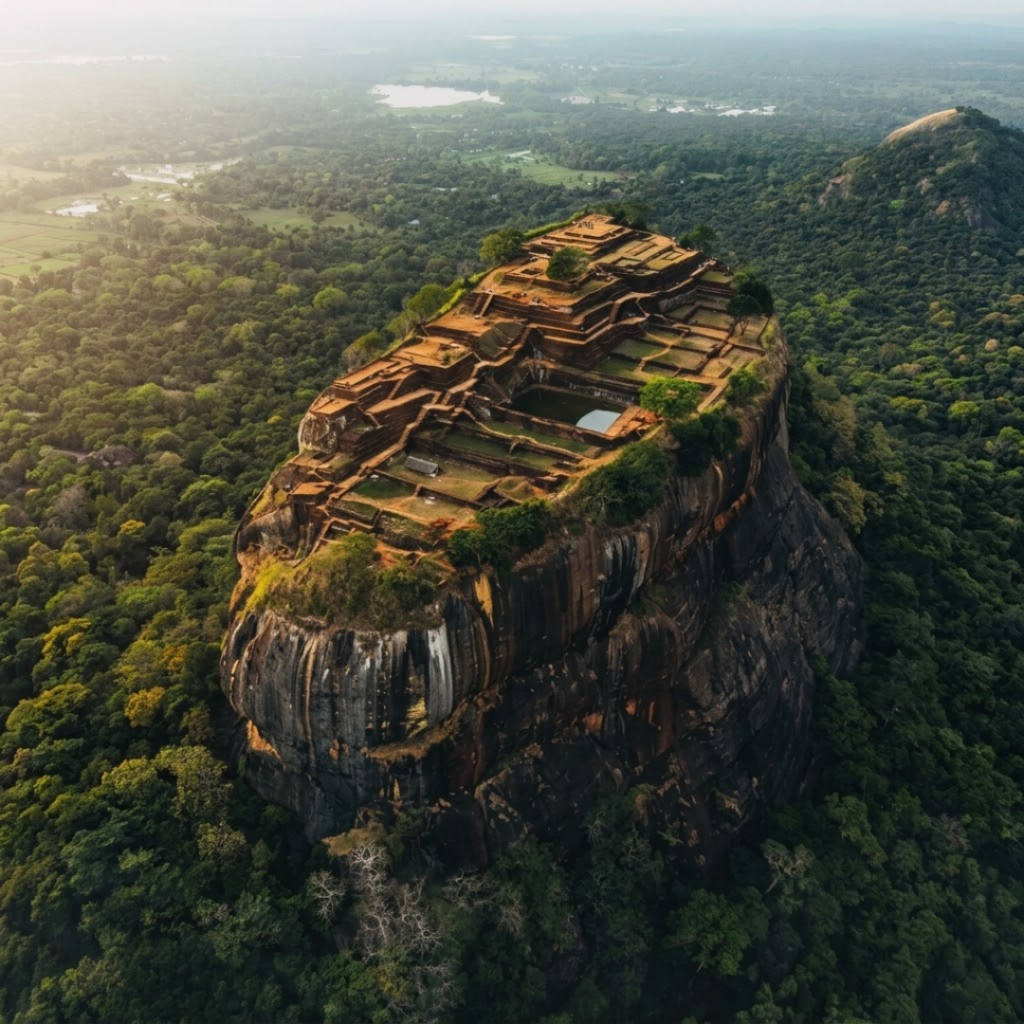
- A palace built at the summit of the rock
- Elaborate water gardens and boulder gardens at the base
- Famous Sigiriya frescoes of celestial maidens, painted on the rock face
- The remains of a giant lion-shaped entrance, from which the site gets its nickname
Today, Sigiriya is considered one of the best-preserved examples of ancient urban planning in Asia, combining engineering, art, and landscape design into a single site.
The History Behind Sigiriya
According to historical records, King Kashyapa built Sigiriya after seizing the throne from his father. Fearing an attack from his half-brother, he chose the rock for its natural defenses, transforming it into a fortified palace complex.
After Kashyapa’s reign ended, Sigiriya was used as a Buddhist monastery for several centuries before being abandoned and eventually rediscovered by archaeologists. Excavations have revealed:
- Advanced hydraulic systems, including functioning fountains
- Symmetrical garden layouts ahead of their time
- Graffiti left by visitors over 1,000 years ago, some of it poetry
This mix of royal ambition, engineering skill, and artistic detail is why Sigiriya remains one of Sri Lanka’s most important historical sites.
What to Expect When You Visit
The Climb
Reaching the top of Sigiriya involves climbing a series of staircases and pathways carved into or built onto the rock. Key stops along the way include:
- The Water Gardens – symmetrical pools and canals at the base
- The Mirror Wall – a polished wall once reflective enough to see your own reflection
- The Frescoes – colorful paintings of women, accessed by a spiral staircase
- The Lion’s Paws – the remaining stone paws of the giant lion statue that once guarded the entrance
- The Summit – ruins of the royal palace, with panoramic views of the surrounding jungle
The full climb takes about 1.5 to 2.5 hours, depending on your pace and how many stops you make.
Difficulty Level
Sigiriya is a moderately challenging climb, involving:
- Over 1,200 steps in total
- Some narrow and steep sections, especially near the top
- Metal staircases with railings, which can get busy during peak hours
It’s manageable for most fitness levels, but not recommended for those with a fear of heights or mobility issues.
Best Time to Visit Sigiriya
- Best time of day: Early morning (6:00–8:00 AM), before the heat builds and crowds arrive
- Best time of year: December to March, during Sri Lanka’s dry season for the Cultural Triangle
- Avoid: Midday visits, especially between 11:00 AM and 2:00 PM, when the rock surface gets very hot with little shade
Quick Tip: Sunrise visits are popular with photographers, since the early light creates dramatic views over the surrounding jungle.
How Much Time Do You Need at Sigiriya?
Most visitors spend 2 to 4 hours at the site, including:
- Time to explore the water gardens at the base
- The climb up and down
- Time at the summit to enjoy the views and take photos
If you want to explore at a relaxed pace or hire a local guide for historical context, plan for closer to half a day.
Where to Stay Near Sigiriya
- Sigiriya town – closest option, with guesthouses and boutique hotels near the site
- Habarana – a central base, also convenient for Minneriya and Kaudulla safaris
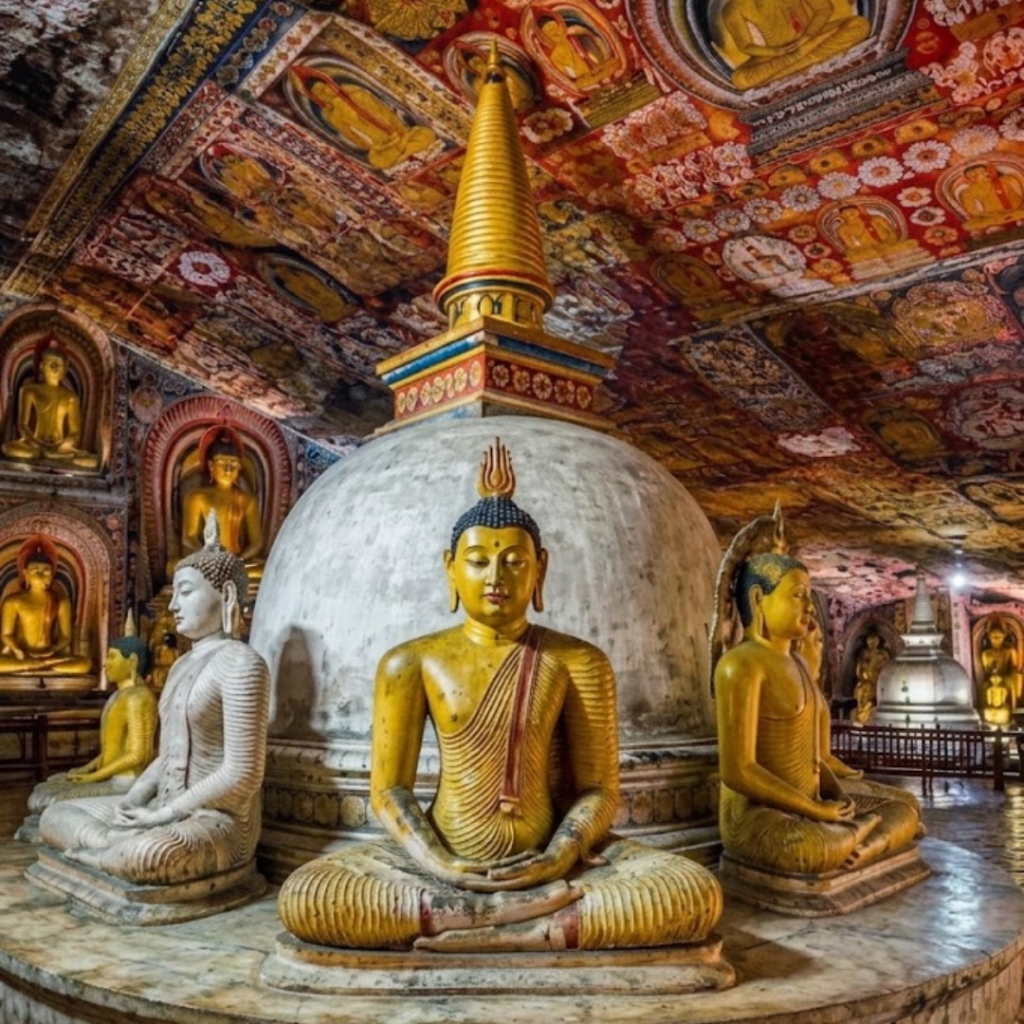
- Dambulla – slightly farther, but good for combining with the Dambulla Cave Temple
Staying in Sigiriya or Habarana makes it easy to combine your visit with nearby attractions.
What Else to See Nearby
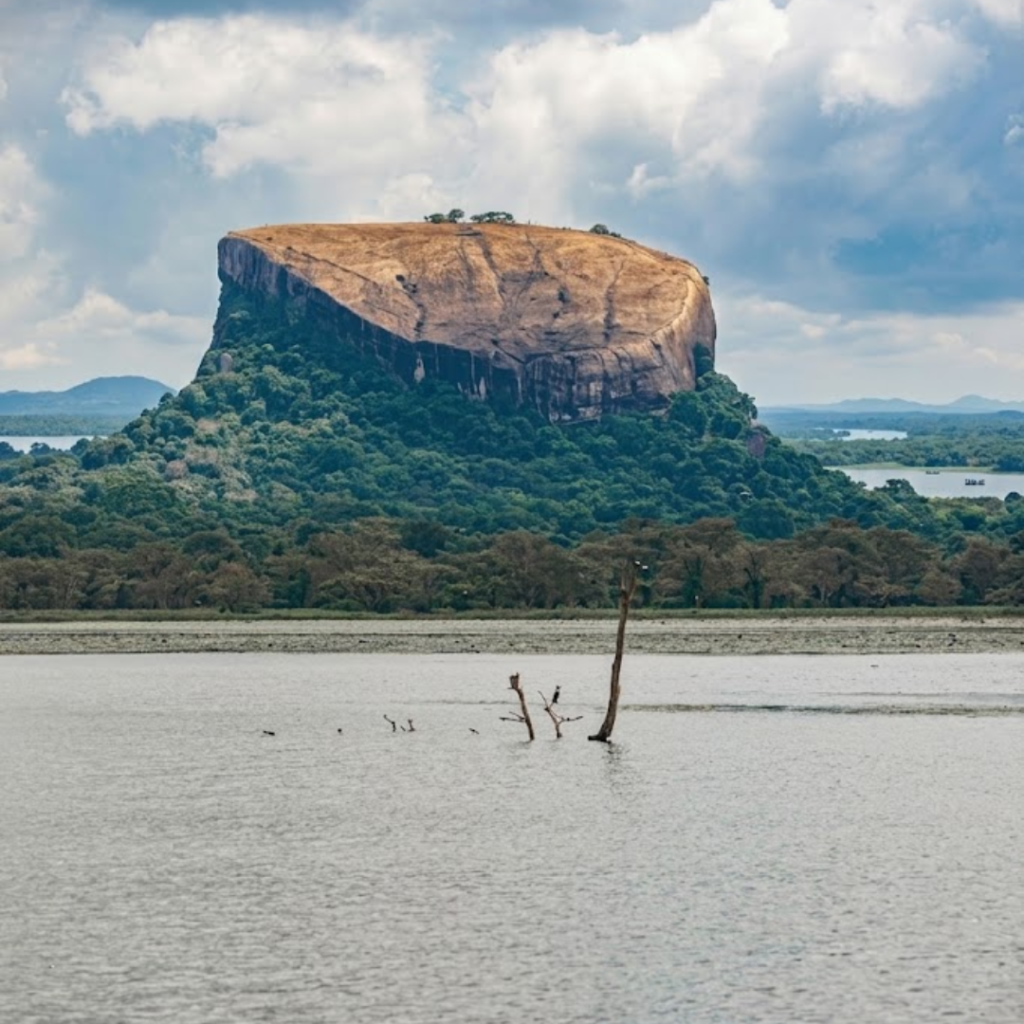
Sigiriya is part of Sri Lanka’s Cultural Triangle, so it pairs well with:
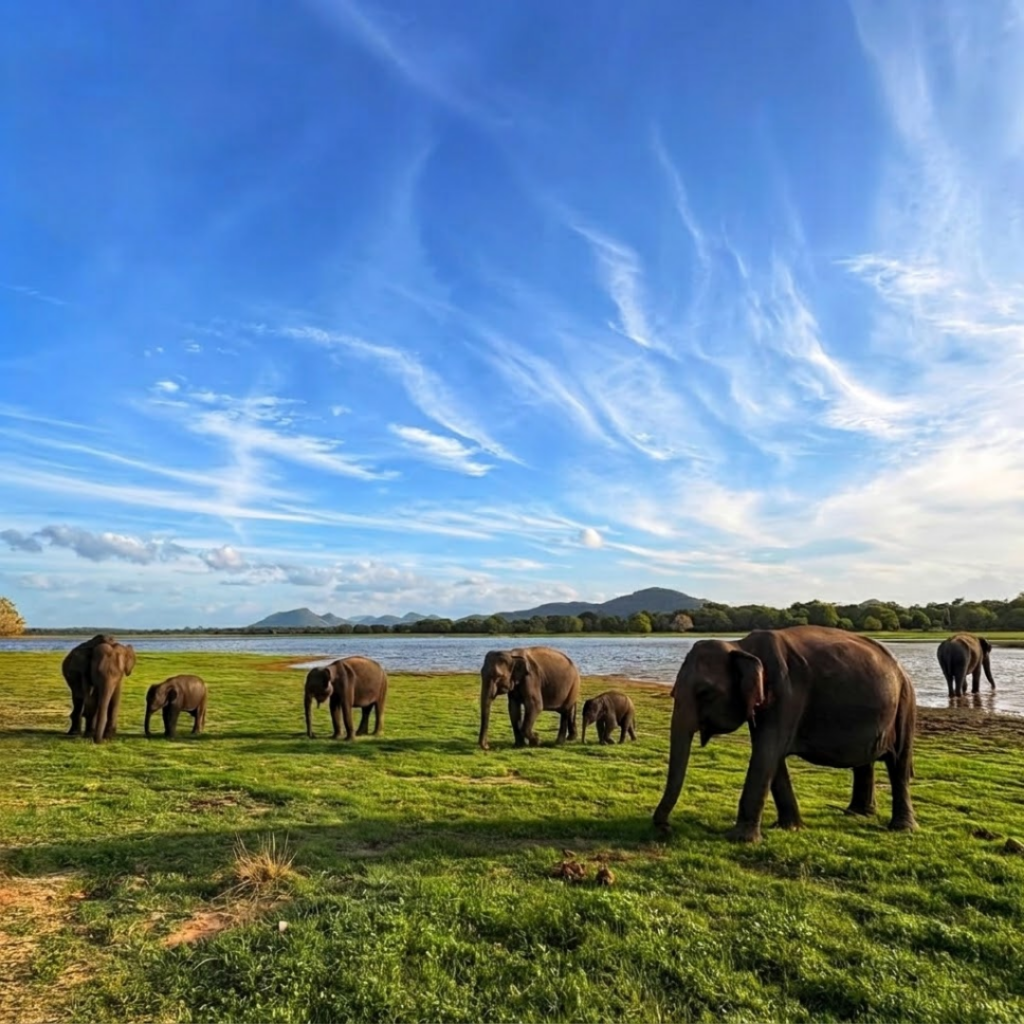
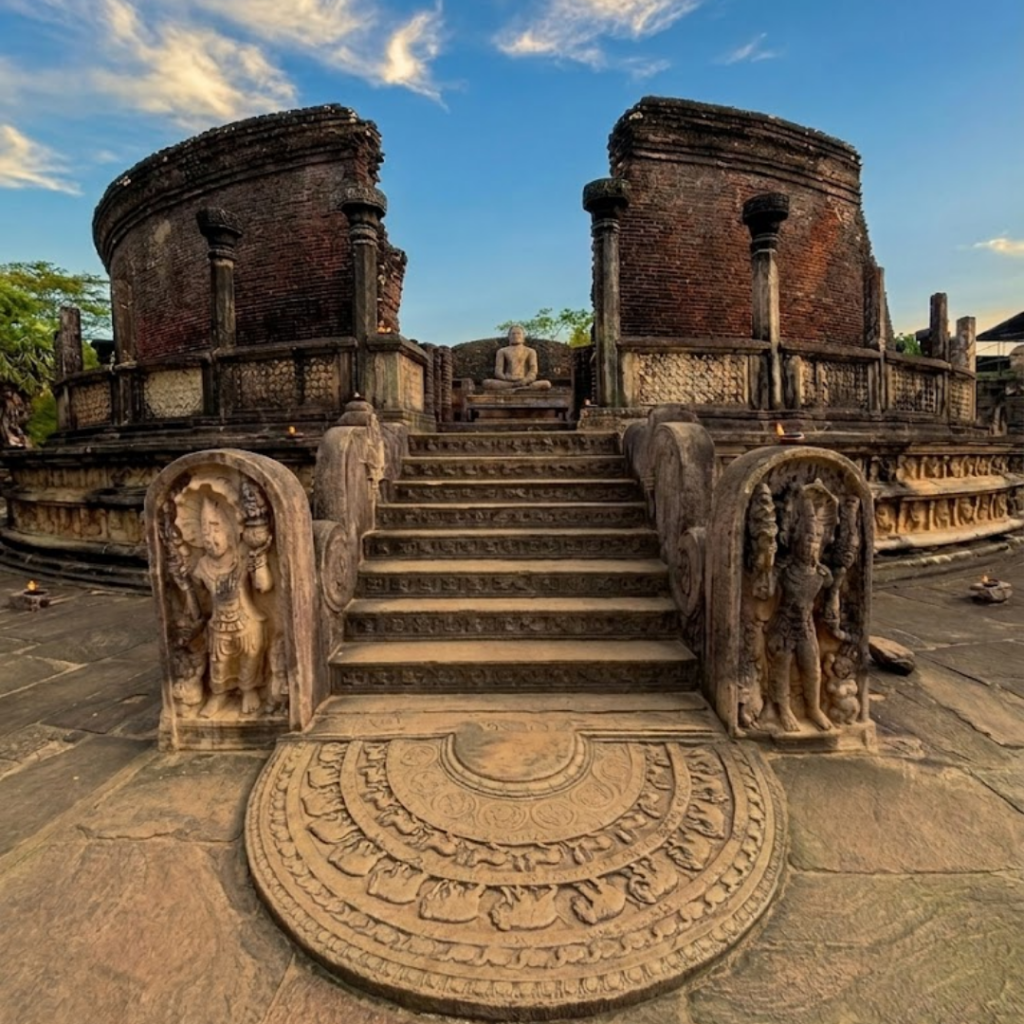
Many travelers combine Sigiriya with a 2–3 day Cultural Triangle itinerary.
Practical Tips for Visiting Sigiriya
- Wear comfortable shoes with good grip for the climb
- Bring water and a hat, there’s little shade on the way up
- Start early to avoid heat and crowds
- Buy tickets in advance or through your hotel to save time at the entrance
- Respect the site, Sigiriya is an archaeological and UNESCO-protected site, so avoid touching the frescoes or climbing outside marked paths
- Consider a local guide for historical context that’s easy to miss on a self-guided visit
Frequently Asked Questions
Final Thoughts
Sigiriya Rock is more than a climb, it’s a journey through more than 1,500 years of history, engineering, and art. From the ancient water gardens at the base to the panoramic views from the summit, it’s easy to see why Sigiriya is considered one of Sri Lanka’s most iconic landmarks.
Plan an early start, wear the right shoes, and take your time at each stop, Sigiriya rewards those who explore it slowly.