
What Is Kottu Roti?
If you spend an evening in Sri Lanka, you may hear a loud, rhythmic clanging sound coming from a roadside restaurant. It is not construction work. It is probably someone preparing kottu roti.
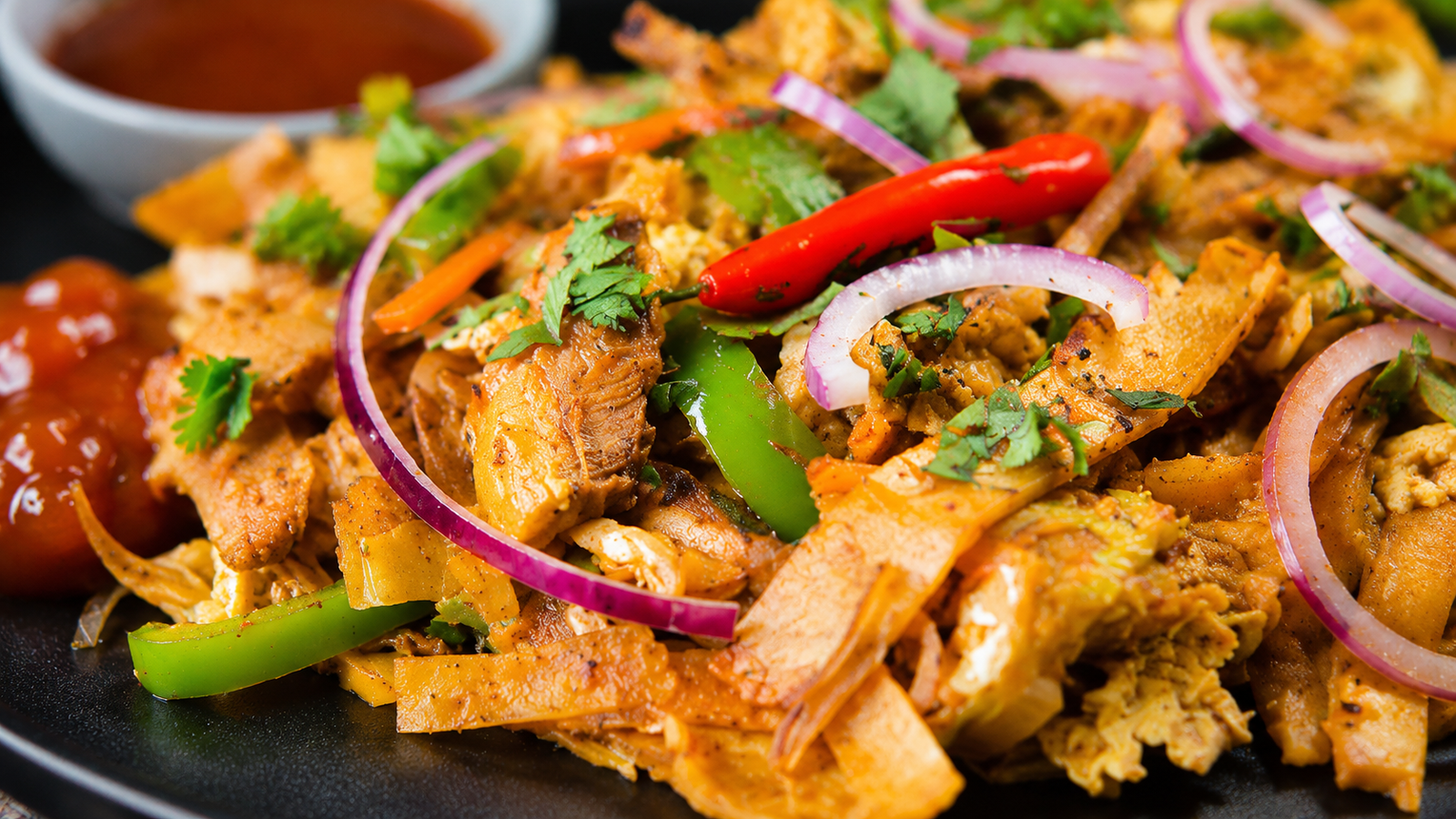
Kottu, also written as koththu, is one of Sri Lanka’s best-known street foods. It is made by chopping flatbread into small pieces and stir-frying it with vegetables, eggs, spices and a choice of meat or seafood. Curry gravy is usually added to bring the ingredients together.
The dish is filling, full of flavour and commonly prepared in front of customers on a large, hot metal cooking plate. The sound of the metal blades chopping and mixing the ingredients has become part of the experience.
For visitors, kottu is more than something to eat. It is a chance to experience a familiar part of everyday Sri Lankan food culture.
What Is Kottu Made Of?
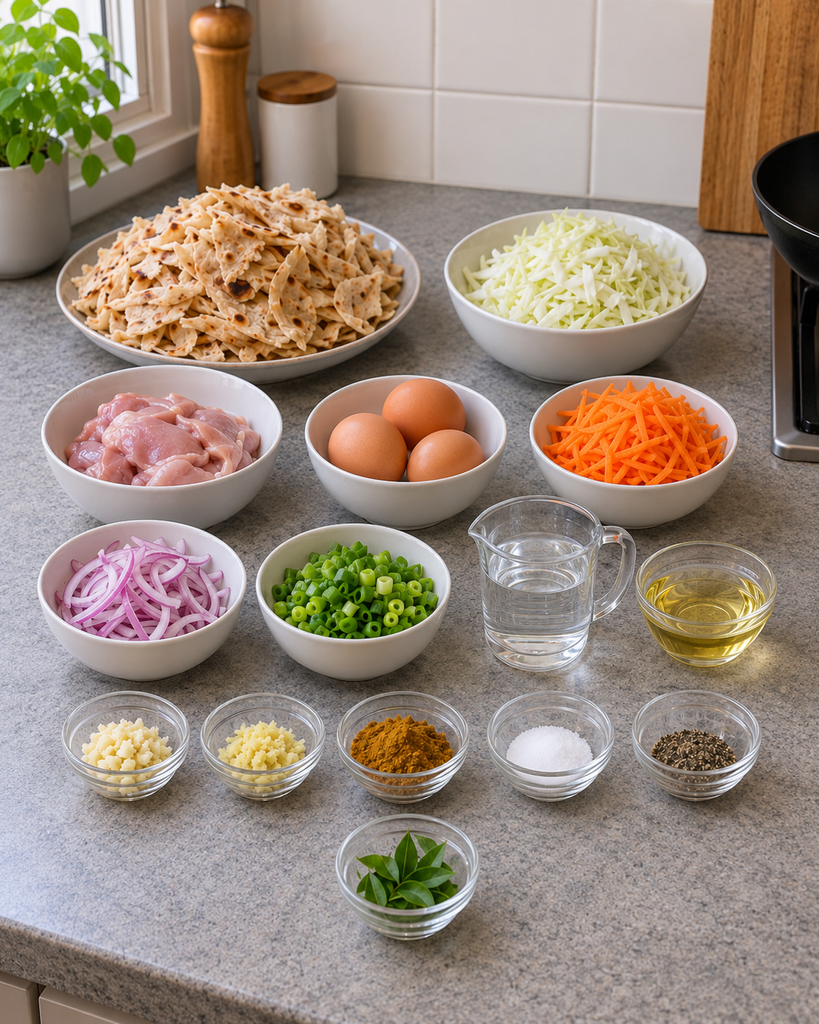
The main ingredient is godamba roti, a thin, soft Sri Lankan flatbread. It is cut or torn into smaller pieces before being placed on the hot griddle.
A typical kottu may contain:
- Godamba roti: The base of the dish, giving it a soft and slightly chewy texture.
- Vegetables: Usually cabbage, carrots, leeks and onions.
- Egg: Often scrambled into the mixture.
- Meat or seafood: Chicken, beef, mutton, fish, prawns or other seafood, depending on the order.
- Spices: Chilli, pepper, curry powder and other seasonings.
- Curry gravy: Adds moisture and gives the kottu much of its flavour.
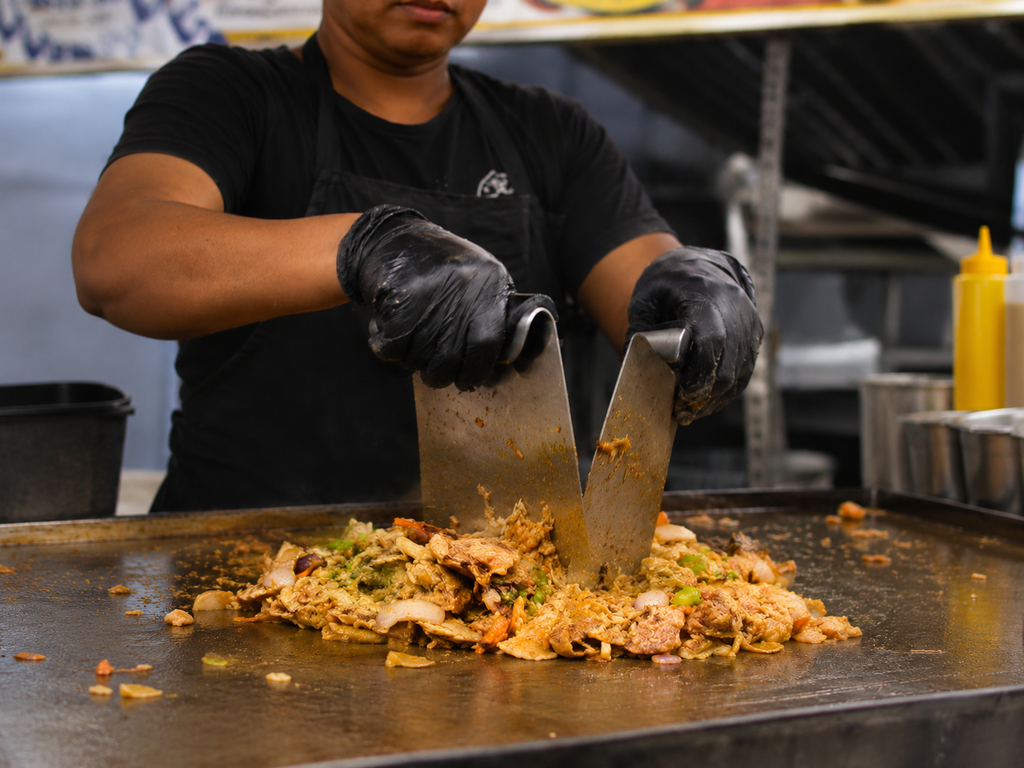
The cook chops and mixes everything together using two metal blades. The ingredients are usually cooked over high heat and served straight from the griddle.
Recipes differ between restaurants. Some versions are fairly dry, while others contain more gravy and have a softer texture.
Different Types of Kottu You Should Try
Kottu comes in several varieties, so you can choose one based on your taste.
1. Vegetable Kottu
Made with chopped roti, cabbage, carrots, leeks and spices. A good choice if you prefer vegetables. Ask whether egg or meat-based gravy is included.
2. Egg Kottu (Mutta Kottu)
Chopped roti mixed with scrambled eggs, vegetables and spices. Simple, tasty and filling.
3. Chicken Kottu
One of the popular choices in Sri Lanka. Made with chopped roti, chicken, egg, vegetables and curry gravy. A great option for your first kottu experience.
4. Beef Kottu
Combines chopped roti with cooked beef, vegetables and spices. It has a rich, savoury flavour.
5. Mutton Kottu
Made with tender mutton and chopped roti, usually mixed with curry gravy. A good choice if you enjoy rich meat curries.
6. Seafood Kottu
Prepared with seafood such as prawns, fish or cuttlefish, along with vegetables and spices. A tasty option for seafood lovers.
7. Cheese Kottu
A popular favourite made with melted cheese mixed into the kottu. It is creamy, rich and especially filling. You can also find chicken cheese kottu.
8. Dolphin Kottu
A popular variation of kottu in Sri Lanka. Despite its name, it does not contain dolphin meat. Ask the restaurant about its ingredients, as recipes can differ.
9. String Hopper Kottu (Idiyappa Kottu)
Instead of roti, this version uses chopped string hoppers (idiyappa). It has a softer texture and is mixed with vegetables, egg, meat or seafood.
Which one should you try first? Chicken kottu is a familiar starting point, cheese kottu is great if you enjoy rich flavours, and seafood kottu is worth trying if you love seafood
Is Sri Lankan Kottu Spicy?
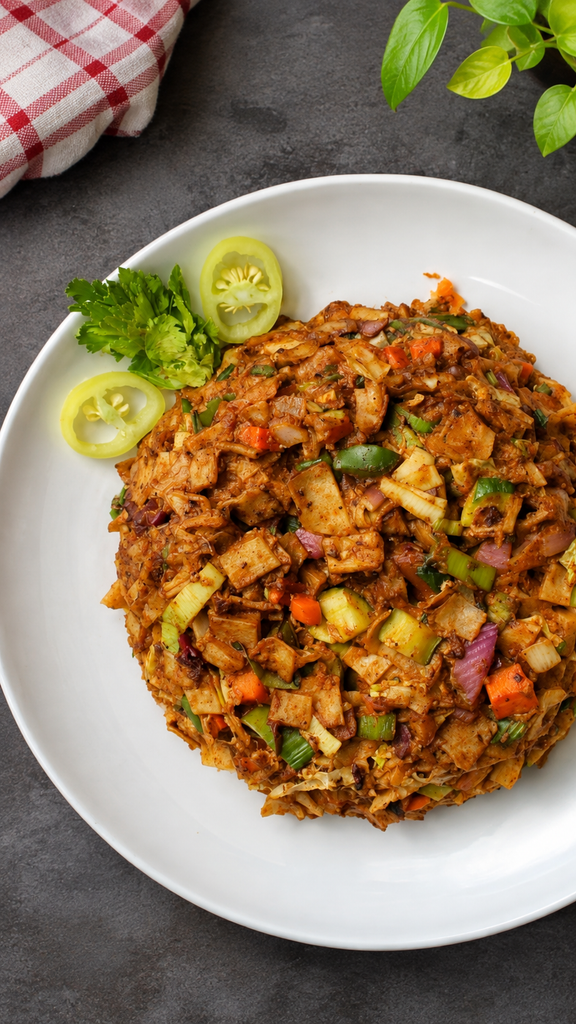
It can be. Sri Lankan kottu is usually seasoned with chilli, pepper and curry spices, but the heat level depends on the cook and the restaurant.
Some places prepare a fairly mild version, while others add enough chilli to make it very hot.
If you do not eat spicy food regularly, tell the cook before preparation:
- “Mild, please” – ask for a less spicy version.
- “Not too spicy” – a useful request if you can handle a little heat.
- “No extra chilli” – ask them not to add additional chilli.
Remember that mild does not always mean completely non-spicy. If you are sensitive to chilli, explain that clearly when ordering.
How Much Does Kottu Cost in Sri Lanka?
Kottu is available at small roadside eateries, family-run restaurants, larger local food outlets and tourist-facing restaurants.
The price depends on the type of kottu, portion size, location and restaurant. Vegetable and egg versions are generally less expensive than seafood or meat combinations. Cheese and special versions may cost more.
Rather than relying on a fixed national price, check the menu or ask for the price before ordering. Tourist areas and hotel restaurants may charge more than small neighbourhood eateries.
Also check whether the listed price includes taxes and service charges.
Where Can Tourists Find Kottu in Sri Lanka?
Kottu is widely available across Sri Lanka. You can find it in almost any town, from small roadside food shops to restaurants in popular tourist destinations such as Colombo, Negombo, Kandy, Ella and Galle.
It is especially popular for dinner, so you’ll often see it being prepared fresh on large hot griddles in the evening. Most places offer chicken, egg and vegetable kottu, while some also have seafood, cheese and other varieties.
Simply choose a local food shop, check the menu and enjoy it fresh off the griddle.
How Is Kottu Prepared?
One of the most interesting parts of ordering kottu is watching it being made.
The cook usually starts by heating a large flat metal griddle. Chopped vegetables, egg and the selected meat or seafood are added, followed by pieces of godamba roti and curry gravy.
The cook then uses two metal blades to chop, turn and mix everything together. The repeated sound of the blades hitting the hot surface creates the familiar kottu rhythm.
The process is quick, and the finished dish is usually served hot on a plate.
If you have never seen kottu being prepared, it is worth watching. It gives you a small glimpse into the everyday food culture of Sri Lanka.
Is Kottu Suitable for Vegetarians and Vegans?
Yes, there are options, but you should ask about the ingredients before ordering.
Vegetable kottu may contain egg, butter or other dairy products. The curry gravy may also contain meat stock or fish-based ingredients.
If you are vegetarian, ask for vegetable kottu without meat or meat-based gravy.
If you are vegan, explain that you do not eat meat, fish, egg or dairy. Ask whether the roti and curry sauce contain any animal products.
If you have a serious food allergy, speak directly to the restaurant about ingredients and preparation. A shared griddle and cooking utensils may create a risk of cross-contact.
Tips for Tourists Trying Kottu for the First Time
A few simple tips can make your first kottu experience easier.
1. Choose a busy restaurant
A place with a steady flow of customers is often a sensible choice. You can see food being prepared and served regularly. Check that ingredients are handled cleanly and cooked thoroughly.
2. Watch it being prepared
If the cooking area is visible, take a moment to watch. The chopping technique is part of what makes kottu distinctive.
3. Ask for mild if you are unsure
You can always try a spicier version on another visit. Start with a milder one if you are not used to Sri Lankan chilli.
4. Check the portion size
Kottu is a filling meal. Depending on the restaurant and serving size, one portion may be enough for one hungry person or suitable for sharing between two people with smaller appetites.
5. Ask what comes with it
Some restaurants serve kottu with curry gravy, while others provide it separately. You may also receive a small side dish or sauce.
6. Eat it while it is hot
Kottu is best enjoyed soon after it is prepared. The roti can become softer as it sits, especially when there is plenty of gravy.
7. Mention allergies before ordering
Tell the staff about any food allergies before they begin cooking. Do not rely only on the name of the dish to understand its ingredients.


What Should You Drink With Kottu?
A cold drink can be refreshing alongside a hot and spicy plate of kottu.
Common choices include:
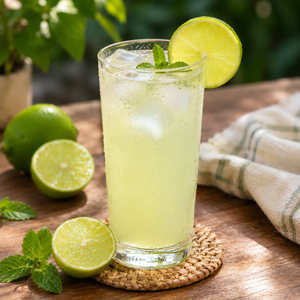
- Fresh lime juice
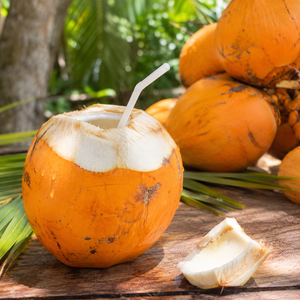
- King coconut water
- Bottled water
- A soft drink
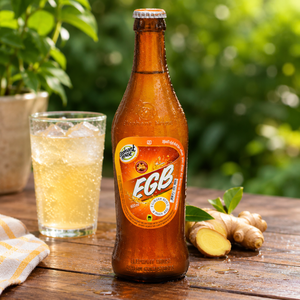
- Sri Lankan ginger beer
If the kottu is spicy, a cool drink can make the meal more comfortable. You can also try a cup of Sri Lankan tea afterwards.
Is Kottu Worth Trying During Your Sri Lanka Holiday?
If you want to experience everyday Sri Lankan food, kottu is worth adding to your food list.
It is filling, widely available and comes in several varieties. You can choose a simple vegetable or egg version, try chicken kottu, or explore seafood and cheese combinations.
The experience is not just about the taste. It is also about sitting in a local restaurant, hearing the blades on the hot griddle and watching a familiar Sri Lankan meal come together in front of you.
You do not need to choose the most expensive or unusual version. Start with the type that suits your taste, ask about the spice level and enjoy it fresh from the griddle.
Frequently Asked Questions About Sri Lankan Kottu
Ready to Taste Sri Lankan Kottu?
Kottu is one of those Sri Lankan dishes that is easy to remember after your holiday. The flavour, the hot griddle and the familiar chopping sound all come together to create a meal that is part of everyday life in the country.
Whether you choose chicken, cheese, seafood or a simple vegetable version, trying kottu is a good way to explore Sri Lankan food beyond hotel restaurants and traditional rice and curry.
When you visit Sri Lanka, find a busy local restaurant, choose your preferred variety and give this famous street food a try.