
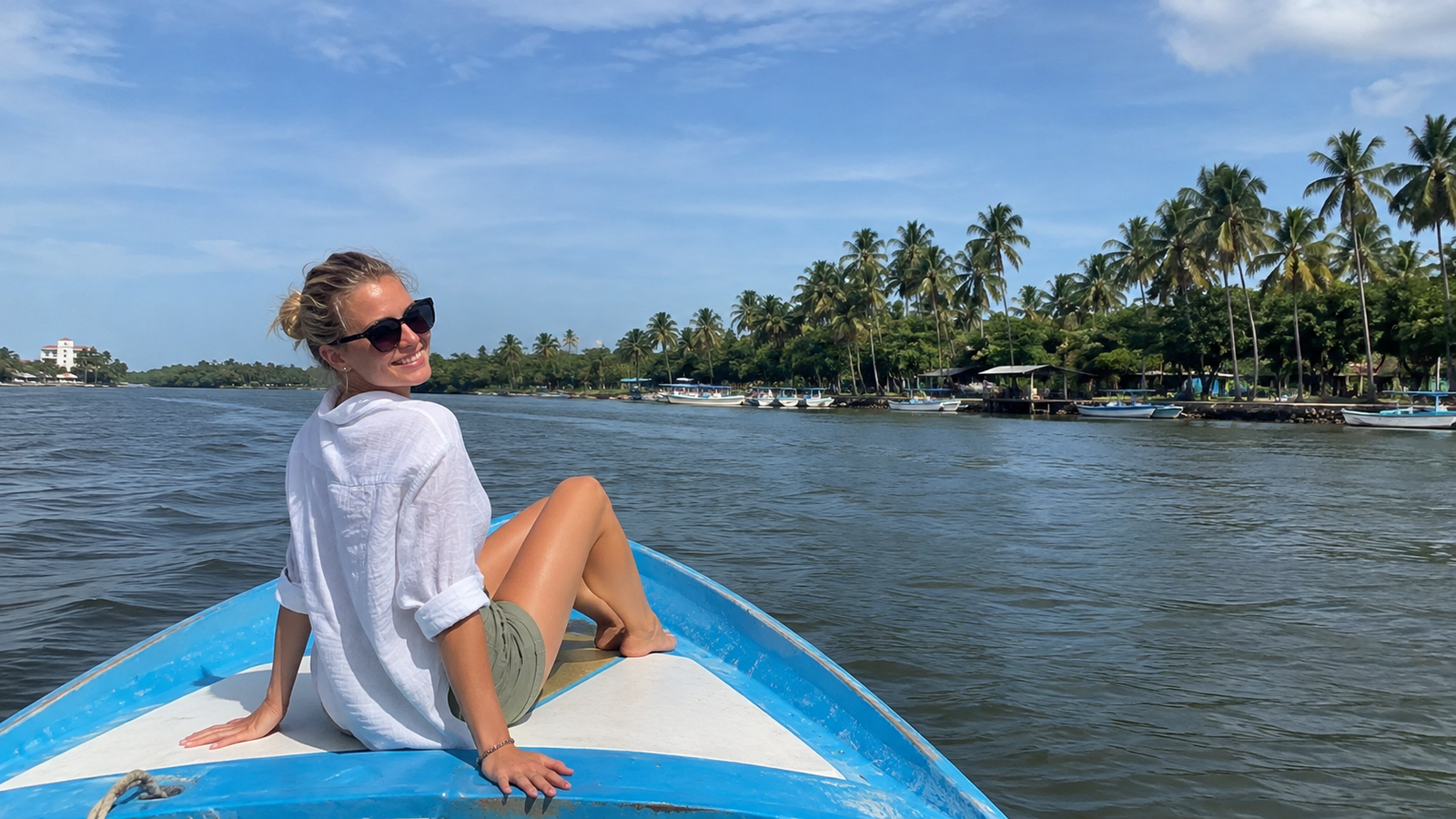
November can be a wonderful time to explore Sri Lanka, with green landscapes, misty mountains, cultural attractions and warm tropical beaches. But there is one important thing to know before you book: November is a changeable weather month, and rain can affect different parts of the island in different ways.
Sri Lanka experiences its second inter-monsoon season during October and November. Heavy showers and thunderstorms can occur across the island, while the northeast monsoon generally becomes more influential from December
For travellers planning a November 2026 holiday, the best approach is to choose destinations carefully, allow flexibility in your itinerary and check local weather and road conditions before travelling.
This guide covers the weather by region, early versus late November, the best places to visit, a 7–10 day itinerary, what to pack and how to prepare for rain.
What Is Sri Lanka’s Weather Like in November?
November is warm and humid in most parts of Sri Lanka. You can experience sunny mornings, afternoon showers, cloudy skies and occasional heavy rain, sometimes all in one day.
Temperatures depend on where you go. Coastal towns and lowland cities are generally hot, while the central highlands are cooler, especially at night.
| Region | Typical November conditions | Travel advice |
|---|---|---|
| Colombo and Negombo | Warm, humid and changeable | Good for a flexible city or coastal stop |
| Galle and the south coast | Warm with possible heavy showers | Plan beach activities around weather conditions |
| Kandy | Warm, humid and rainy at times | Allow extra time for sightseeing |
| Ella and the hill country | Cooler, misty and sometimes wet | Keep hiking plans flexible |
| Sigiriya and the Cultural Triangle | Hot with a chance of thunderstorms | Visit outdoor attractions early |
| Trincomalee and the east coast | Increasing rainfall is common | Check sea conditions and local forecasts |
| Yala and Udawalawe | Warm, with rain possible | Confirm park access and safari conditions |
These are general seasonal patterns, not a day-by-day forecast. Conditions can vary significantly from one year to another.
For current weather warnings and forecasts, use the official Sri Lanka Department of Meteorology website.
Early November vs Late November: Which Is Better?
The first and second halves of November can feel different, but neither period guarantees dry weather.
Early November: 1–15 November
Early November falls within the second inter-monsoon season, when rain and thunderstorms can affect much of the country.
What to expect:
- Warm temperatures in coastal and lowland areas.
- A mix of sunshine and rain.
- Green scenery and fresh landscapes.
- Possible delays on roads affected by heavy rain.
- Changing sea conditions along the coast.
Early November can work well for travellers who are happy to adjust their plans. You can still enjoy temples, food experiences, scenic drives and wildlife trips when conditions allow.
If you are planning long hikes or mountain excursions, avoid making your schedule too tight.
Late November: 16–30 November
Late November can bring continued inter-monsoon rain, while the northeast monsoon becomes more relevant as December approaches.
The north and east can become particularly wet, so do not assume that the weather will improve everywhere as the month progresses.
What to expect:
- Warm conditions in coastal towns.
- Possible heavy showers and thunderstorms.
- Lush landscapes in the hill country.
- Changing road and trail conditions.
- Potentially rough seas on exposed beaches.
Late November can be enjoyable, but flexibility is essential. Choose accommodation that makes it easy to change your plans if the weather turns.
So, which half should you choose?
For either period, your destination matters more than the date alone. Check the forecast a few days before departure and again during your trip.
Do not choose late November simply because you expect the weather to be drier. Heavy rainfall is possible throughout the month.
Best Places to Visit in Sri Lanka in November
The best destination depends on your interests and the weather conditions at the time of your visit.
Galle: Historic Streets and Coastal Charm
Galle is a great choice for travellers interested in history, architecture, cafés and relaxed coastal experiences.
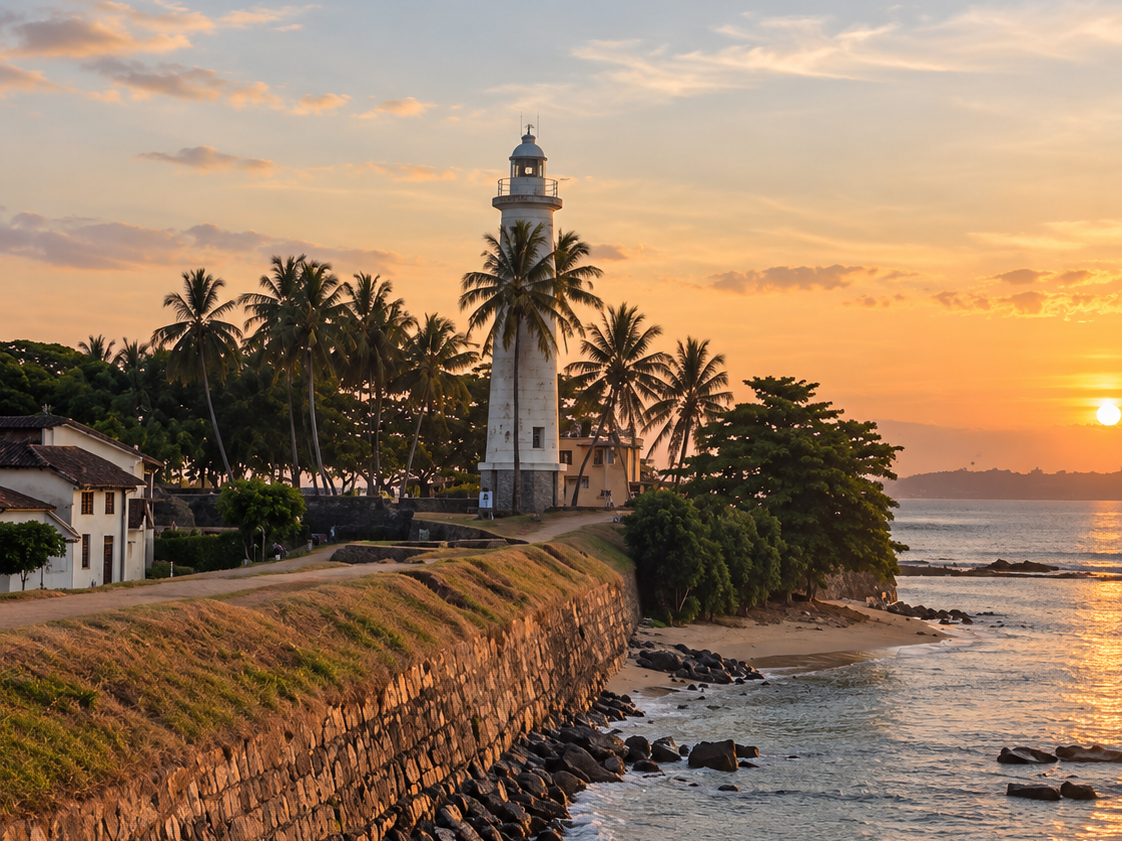
The famous Galle Fort has historic streets, old buildings, boutique shops and places to enjoy Sri Lankan food.
Things to do in November:
- Walk around Galle Fort when the weather is comfortable.
- Explore local cafés and small shops.
- Visit museums and historic buildings.
- Enjoy coastal scenery from suitable viewpoints.
- Plan beach visits when the sea conditions are safe.
Rain does not have to spoil a visit to Galle because many attractions are suitable for a slower day of exploring.
Ella: Mountains, Tea Plantations and Scenic Views
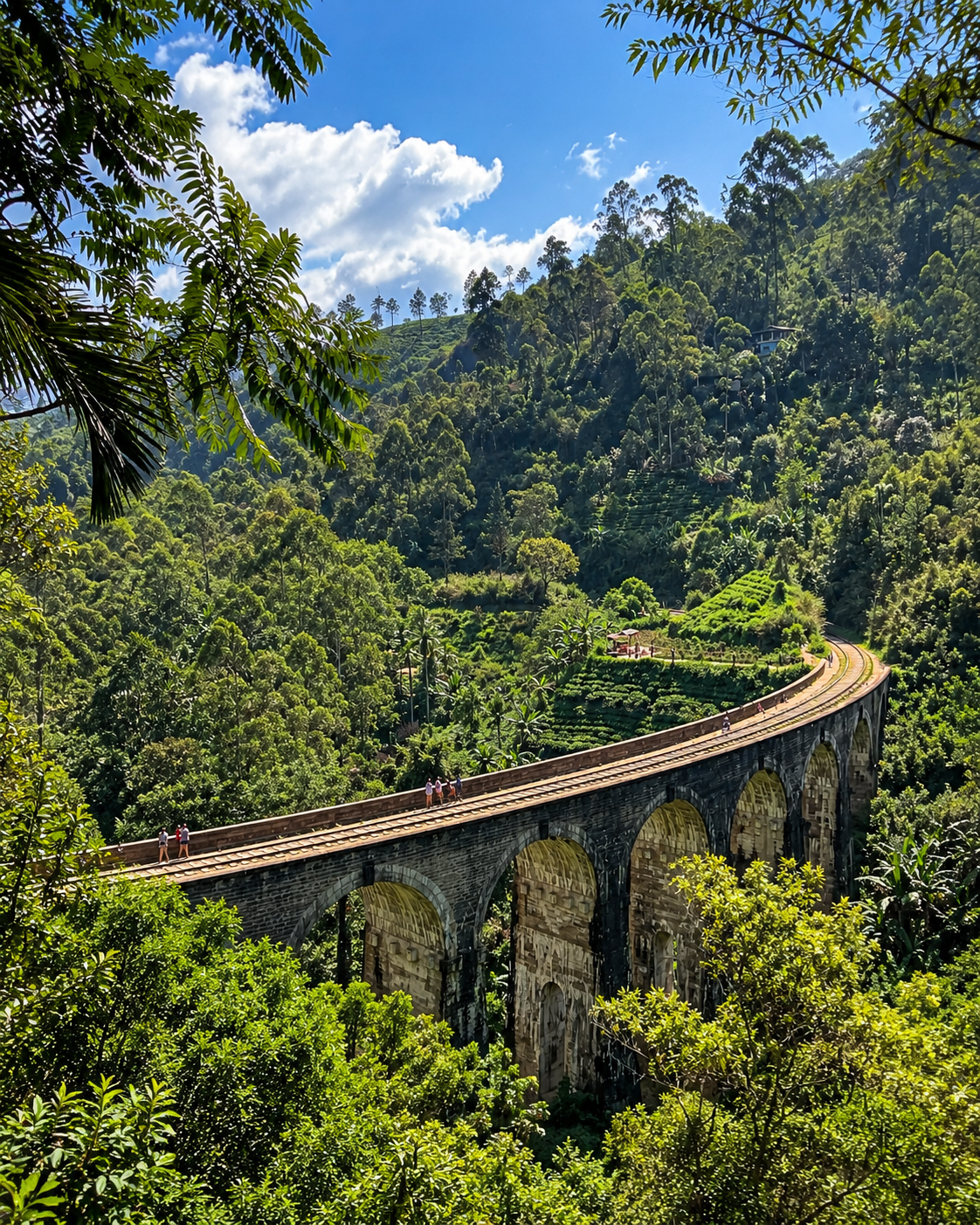
Ella is popular for its green hills, tea plantations, waterfalls and mountain scenery.
November can make the landscape especially lush, but mist and rain may affect visibility and hiking conditions.
Things to do in November:
- Visit Nine Arch Bridge.
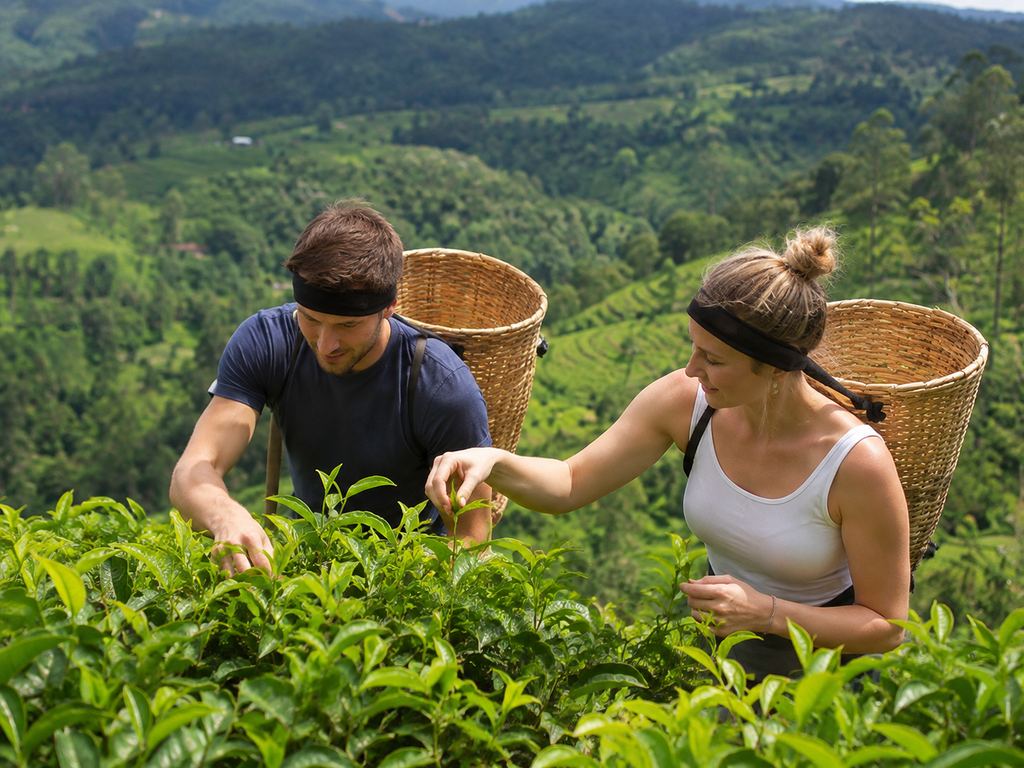
- Explore local tea-growing areas.
- Enjoy cafés and mountain views.
- Take short walks when trails are safe.
- Check conditions before planning longer hikes.
If you are visiting Ella, allow at least two nights if your schedule permits. This gives you more opportunities to enjoy the scenery if rain affects one of your days.
Avoid steep trails, exposed viewpoints and waterfall areas during heavy rain.
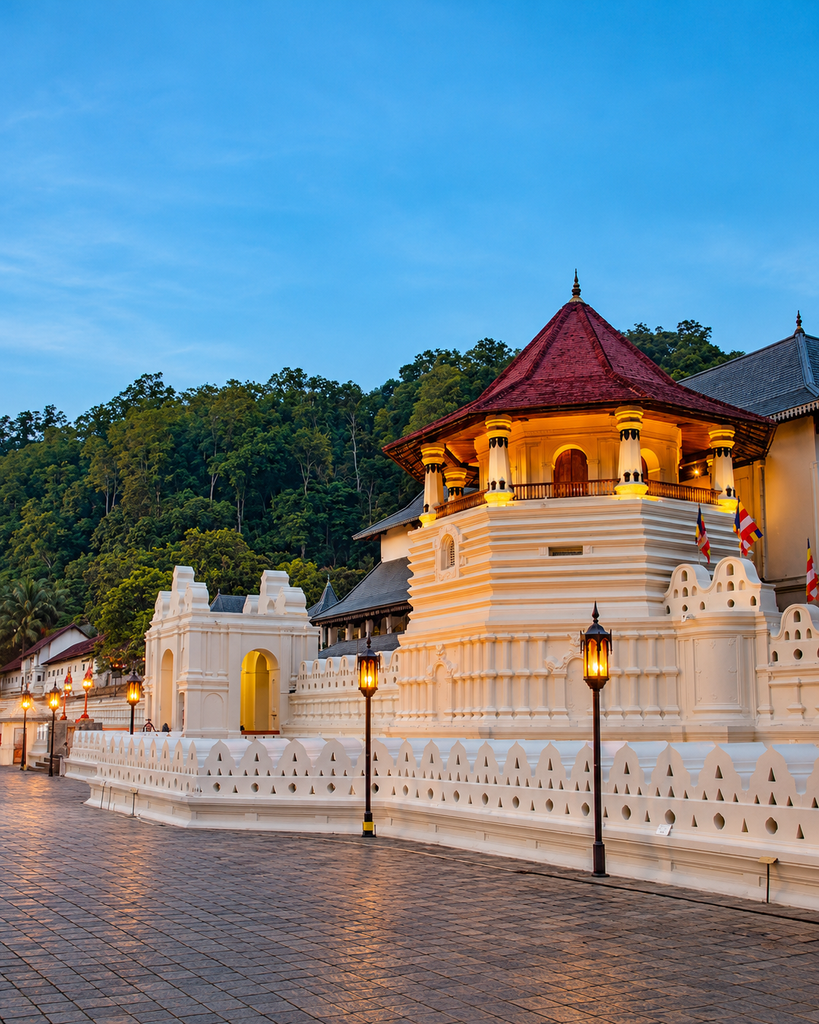
Kandy: Culture, Temples and Local Food
Kandy is a good option for travellers who want to experience Sri Lankan culture.
The city is known for the Temple of the Sacred Tooth Relic, Kandy Lake and its surrounding hills.
Things to do in November:
- Visit the Temple of the Sacred Tooth Relic.
- Walk around Kandy Lake when conditions are suitable.
- Explore local markets.
- Try traditional Sri Lankan meals.
- Visit a tea attraction or cultural site.
Bring an umbrella or lightweight rain jacket. Some outdoor activities may need to be moved to another time if heavy showers occur.
When visiting religious sites, dress respectfully and follow the local rules.
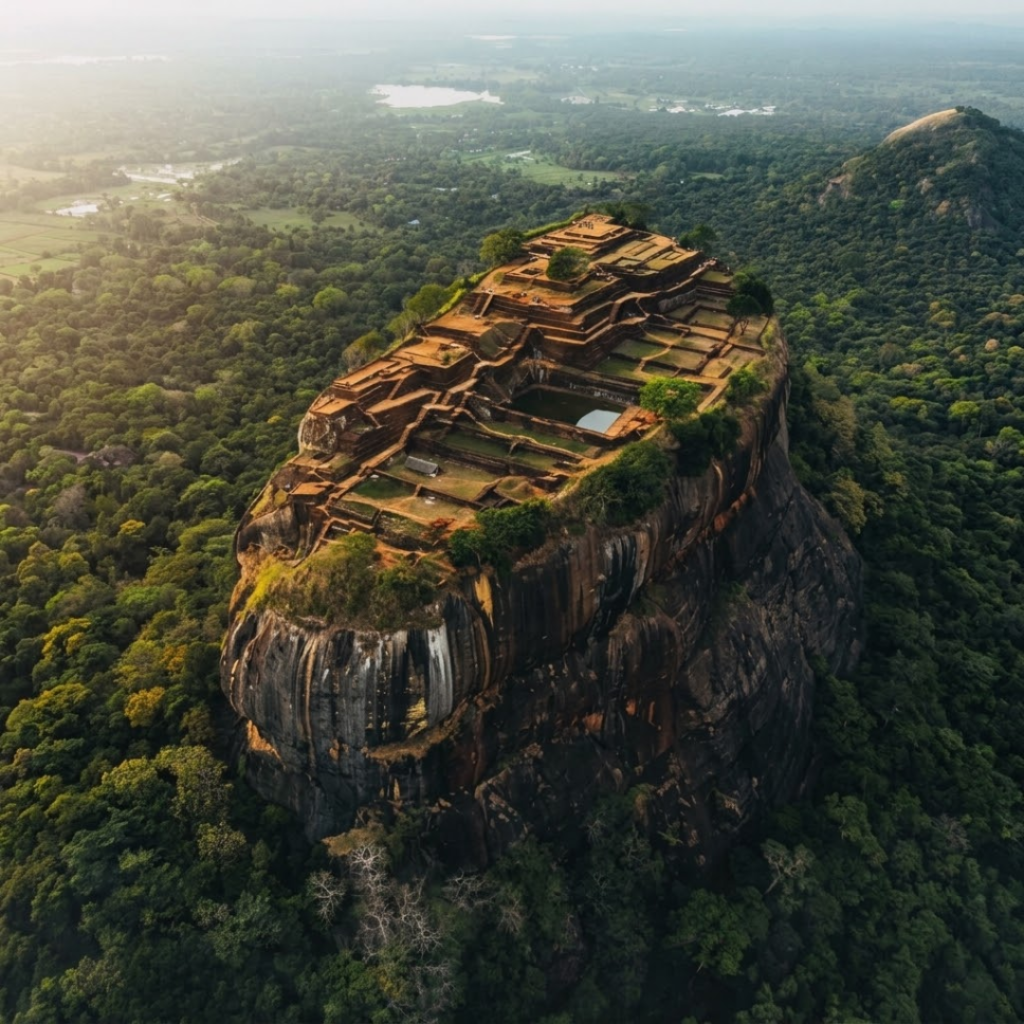
Sigiriya: Ancient History and Impressive Landscapes
Sigiriya is one of Sri Lanka’s most famous attractions. Its ancient rock fortress rises above the surrounding greenery and offers remarkable views.
November can be hot and humid, with thunderstorms possible.
Things to do in November:
- Visit Sigiriya Rock early in the morning.
- Explore the surrounding gardens.
- Discover nearby village experiences.
- Visit Dambulla Cave Temple.
- Enjoy local food and rural scenery.
Start outdoor activities early to avoid the strongest heat and reduce the chance of being caught in afternoon rain.
Follow site instructions and avoid climbing exposed areas during lightning or unsafe weather.
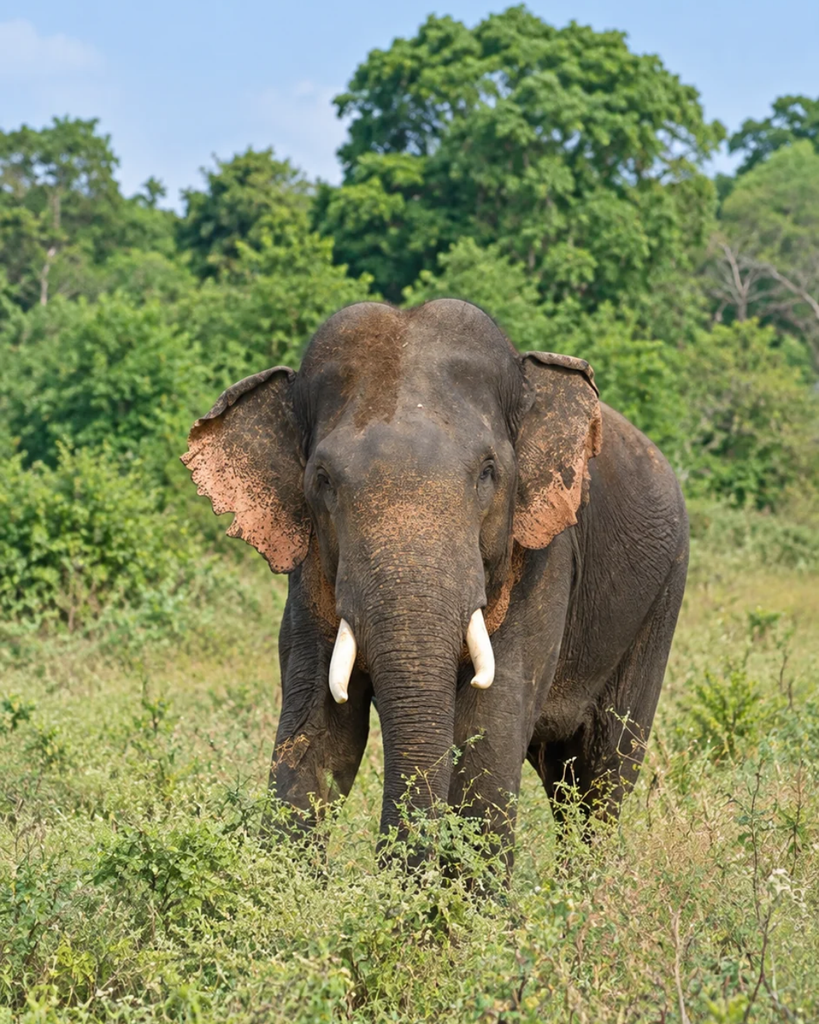
Udawalawe: An Elephant Safari
If wildlife is part of your travel plans, Udawalawe National Park is worth considering.
It is well known for its wild Asian elephants and open grasslands. November rainfall can affect road conditions and visibility, but wildlife viewing may still be rewarding.
Things to do in November:
- Book a safari with a responsible operator.
- Follow the park’s current opening and access rules.
- Bring a light rain jacket.
- Protect your camera and phone from rain.
- Allow extra time for transfers.
Remember that elephant sightings are never guaranteed. Choose a guide who respects wildlife and avoids chasing or crowding animals.
Check current park conditions before booking, particularly if heavy rain is forecast.
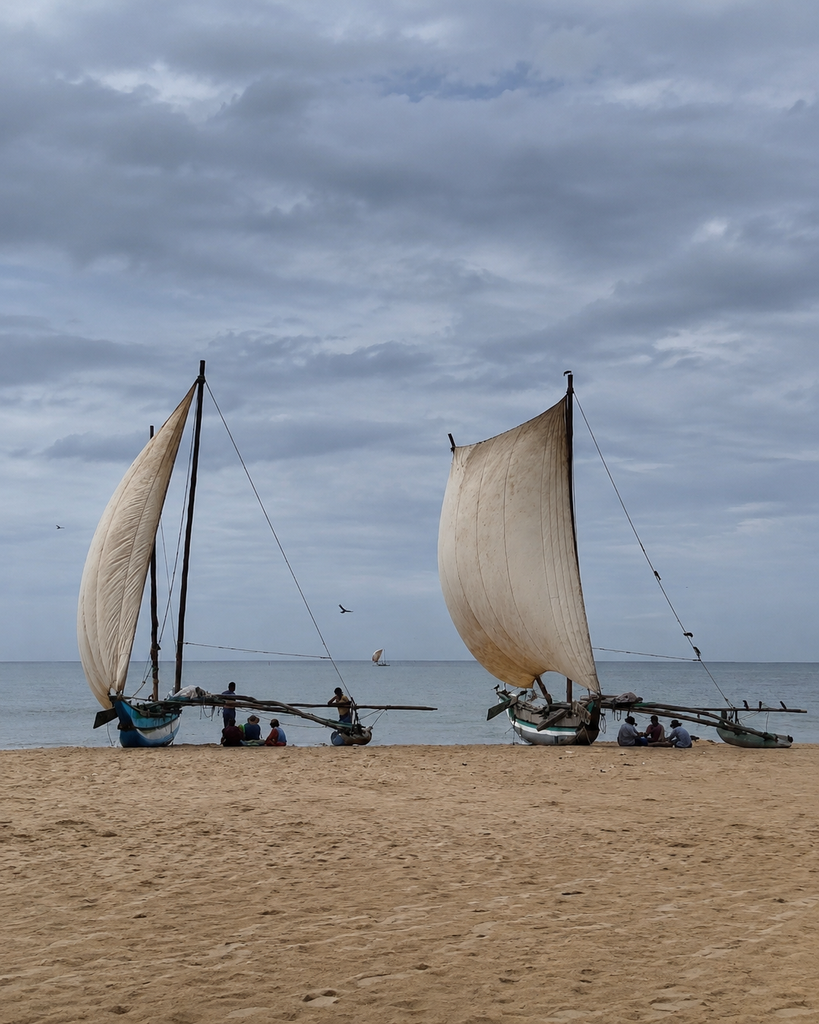
Negombo: A Convenient First or Last Stop
Negombo is close to Bandaranaike International Airport, making it a practical destination for your first or final night in Sri Lanka.
It offers a lagoon, fishing communities, seafood restaurants and a relaxed coastal atmosphere.
Things to do in November:
- Explore the town and its markets.
- Visit the lagoon with a reputable local operator.
- Try local seafood.
- Enjoy cafés and restaurants.
- Relax near the coast when conditions are safe.
Negombo is especially useful if you arrive late at night or have an early flight home.
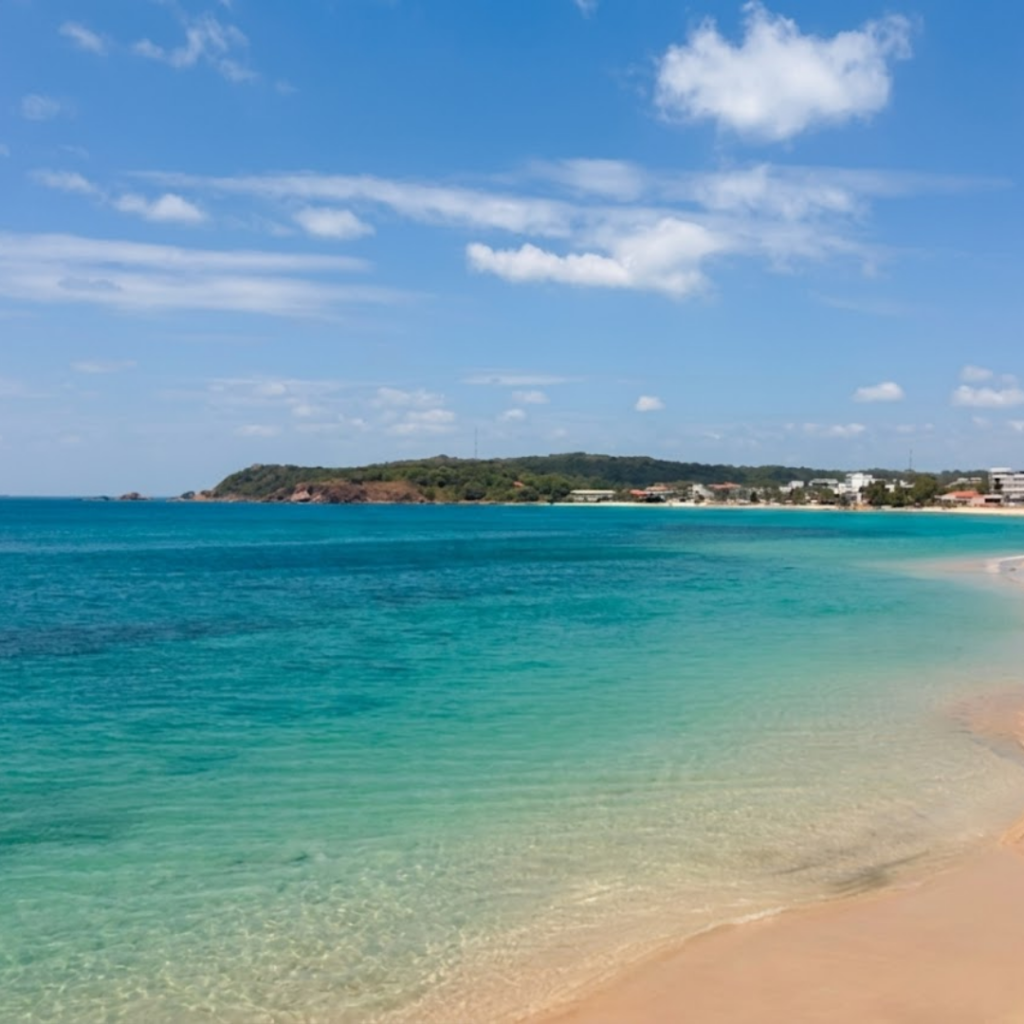
7. The East Coast: Check Conditions Before You Go
Places such as Trincomalee and Batticaloa are attractive for their beaches and coastal scenery. However, November is not always the best month for a beach-focused holiday on the east coast.
Rainfall generally increases during this period, and the sea may be rough.
If you want to visit the east coast, check local forecasts and sea conditions before committing to several nights in one location.
Do not assume that a beach is safe for swimming just because the weather looks sunny.
What to Pack for Sri Lanka in November
The key is to pack for warm weather, humidity and rain.
Clothing
- Lightweight shirts and comfortable trousers.
- Breathable clothing for hot days.
- A light rain jacket or compact umbrella.
- Comfortable walking shoes with good grip.
- Sandals for suitable coastal activities.
- Modest clothing for temples and religious sites.
- A light extra layer for cooler evenings in the hills.
Travel essentials
- Sunscreen and sunglasses.
- Mosquito repellent.
- A reusable water bottle.
- Waterproof bags for electronics.
- A small first-aid kit.
- Personal medication.
- Travel insurance documents.
- Copies of your passport and other important documents.
If you plan to hike, bring shoes suitable for wet paths and check the conditions before setting out.
For safaris, use practical clothing and follow your guide’s advice.
Rain-Related Travel Updates: What Should You Check?
November is part of Sri Lanka’s wetter period, and heavy rainfall can sometimes cause flooding, landslides and transport disruption.
Before travelling, check the following official sources:
- Weather warnings: Visit the Department of Meteorology.
- Disaster alerts: Check the Disaster Management Centre.
- Train services: Check the Sri Lanka Railways website for service information.
- Road conditions: Ask your hotel or driver about local conditions before travelling through mountainous areas.
- National parks: Confirm access, opening arrangements and safari conditions with the relevant park authority or your operator.
- Flights: Check your airline’s updates, particularly if your journey includes connections.
What should you do if heavy rain is forecast?
Do not travel through flooded roads or attempt to cross fast-flowing water.
If landslide warnings are issued, avoid affected roads and follow instructions from local authorities.
Speak to your hotel or tour operator about changing your plans. A shorter, safer journey is better than risking a trip to keep to a fixed schedule.
For tourism-related assistance, Sri Lanka Tourism operates a hotline at 1912.
Is November a Good Time to Visit Sri Lanka?
Yes, November can be a rewarding time to visit Sri Lanka if you plan carefully.
It is a good option for travellers who want to explore cultural attractions, enjoy green landscapes, discover local food and experience different parts of the island.
However, November is less suitable for visitors who expect uninterrupted sunshine every day or want a beach holiday without checking sea conditions.
November is a good choice if you:
- Enjoy a mixture of culture, nature and sightseeing.
- Can adjust plans when it rains.
- Prefer a flexible holiday.
- Want to explore the hill country and cultural sites.
- Are comfortable travelling during a changeable weather period.
Consider another month if you:
- Need consistently dry weather for outdoor activities.
- Want a beach-focused holiday with minimal weather disruption.
- Have a very tight schedule with several long transfers.
- Cannot change bookings if roads or attractions become inaccessible.
No month offers perfect weather everywhere in Sri Lanka. The best decision depends on your preferred destinations and how much flexibility you have.
Frequently Asked Questions
Final Thoughts: Plan for the Weather, Not Against It
Sri Lanka in November can be beautiful, with green hills, warm coastal towns, historic sites and rewarding wildlife experiences. The secret is to plan around the weather rather than expect every day to be sunny.
Check official weather warnings, confirm transport arrangements and keep a few indoor activities in reserve. Most importantly, follow local advice when heavy rain creates unsafe conditions.
With realistic expectations and a flexible plan, you can enjoy a memorable Sri Lankan holiday in November 2026.